
Ventilation problems on a roof rarely come from a single dramatic error; they're usually the result of a handful of small oversights that, together, stop air moving the way it should. Having seen a fair number of roofs across Hanham over the years, certain mistakes tend to crop up more often than others, and most of them are entirely avoidable with a bit of care during installation.
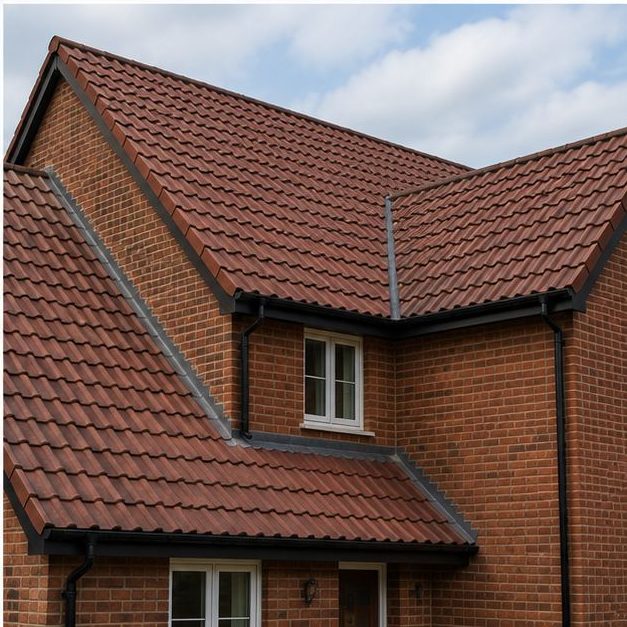
One of the most frequent issues is loft insulation being laid so thickly, or pushed so far towards the eaves, that it blocks the very airflow the ventilation system depends on. It's a well-meaning mistake, often made when insulation is topped up years after a roof was originally fitted, but it can quietly undo the benefit of otherwise well-installed eaves vents. Leaving a clear air path at the eaves, even when adding extra insulation, is essential and worth checking on any Hanham property that's had insulation upgraded independently of the roof.
Another common problem is mixing ventilation systems without enough thought for how they interact, such as combining a ridge vent with insufficient intake at the eaves. Ventilation works as a balanced system, with air needing to enter at roughly the same rate it exits, so an exhaust vent without adequate intake, or vice versa, ends up performing well below its potential even though it looks correctly installed from the outside. A roof with plenty of ridge ventilation but blocked or missing eaves vents is a particularly common version of this problem.
Bathroom and kitchen extractor fans venting directly into the loft space rather than being properly ducted outside is another mistake that turns up more often than you'd expect, effectively pumping moist air straight into the roof void the ventilation system is meant to be protecting. Similarly, gaps or damage in a vapour control layer on the warm side of insulation can let far more moisture into the roof structure than the ventilation system was ever designed to handle.
A less obvious mistake is treating ventilation as a one-off decision rather than something to revisit whenever the roof or loft changes. Adding solar panels, converting part of the loft, or even just changing how a room below is used can shift moisture levels enough that a ventilation system that worked well for years suddenly starts to fall short, yet this connection often isn't made until problems have already started to appear. Solar panel mounting brackets in particular can sometimes interrupt tile vents or ridge lines if the two aren't planned together, so it's worth flagging any planned solar installation before a re-roof takes place rather than after.
Avoiding these pitfalls comes down to careful, experienced installation rather than any particularly complicated fix. If you'd like an honest assessment of whether your current roof ventilation in Hanham is working as it should, or want reassurance that a new roof will avoid these common errors from the outset, Brunel Roofing Bristol is happy to take a look and advise.
Get a Free Quote for New Roof Installations in Hanham
Every roof is different — the fastest way to get an accurate answer is a quick chat with our team.