
Lockleaze grew rapidly from the 1950s onward, and a large share of its semis and terraces are now approaching or past the point where their original roofing system was designed to last. When homeowners think about "future-proofing" a roof, it usually means more than simply stopping today's leak. It means choosing materials, fixings and details that will comfortably outlast the next few decades of British weather without repeated intervention, so the household is not thinking about the roof again for a very long time after the scaffolding comes down.
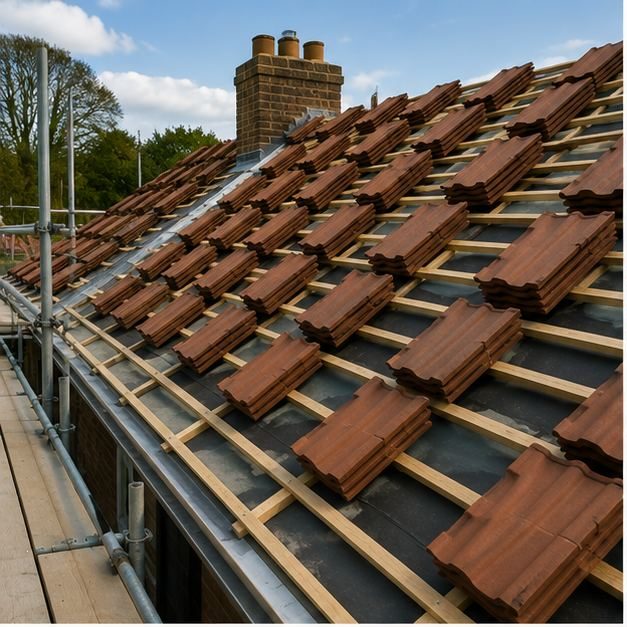
A tired roof in Lockleaze often has several weaknesses working together rather than one single fault: ageing felt underneath tiles that still look sound from the ground, battens that have lost some of their strength after decades of damp and dry cycles, and flashing details that were adequate when installed but have since hardened, cracked or pulled away slightly from the brickwork around chimneys. Replacing the whole system at once means every layer is brought up to a consistent, modern standard, rather than leaving hidden weak points that will simply surface again in a year or two after a partial repair. Properties on some of Lockleaze's original estate roads can look deceptively similar from the pavement while hiding quite different levels of underlying wear, which is exactly why a proper inspection matters more than a quick glance at the tiles.
Future-proofing also means thinking about how the household might use the property later, not just how it is used now. A new roof gives you the chance to specify a membrane, batten arrangement and structural condition that would support later additions, such as roof lights, solar panels or a loft conversion, without needing to strip everything back again from scratch further down the line. It costs comparatively little to plan ahead at installation stage, but retrofitting these things later, once a roof is finished and weathered in, is usually far more disruptive and expensive for the household to arrange. Homeowners who have already extended or altered their property once often find that thinking ahead at roof stage saves a second round of building work being needed only a few years later.
Material choice plays a significant part too. Some coverings look similar on the surface but differ considerably in how well they cope with decades of exposure, freeze-thaw cycles, driving rain and general wear from Bristol's changeable weather. A cheaper product might perform perfectly well for the first ten or fifteen years and then begin to fail noticeably faster than a better-specified alternative, so the value of a slightly higher initial specification tends to become clear only with time, once the two roofs are compared decades apart.
Getting this right the first time, with proper attention to ventilation, insulation compatibility and detailing around chimneys and valleys, is what actually determines whether a Lockleaze roof is still performing well in thirty years rather than needing significant attention again within ten. It is this combination of decisions, taken together at the outset by an experienced roofer, that genuinely future-proofs a roof rather than any single product choice on its own.
If your Lockleaze home has a roof that is starting to show its age, Brunel Roofing Bristol can assess the existing structure and talk through the options that will serve the property well for decades to come. Get in touch for a straightforward quote and an honest view on what your roof actually needs.
Get a Free Quote for New Roof Installations in Lockleaze
Every roof is different — the fastest way to get an accurate answer is a quick chat with our team.