
Ventilation is one of those parts of a re-roofing project that's easy to overlook, since it doesn't show up in photographs of the finished roof the way new slate or fresh flashing does. Yet getting it right is essential, particularly in Cotham, where a great many properties have had their lofts converted into usable living space over the years, changing how air needs to move through the roof and why the old approach no longer applies.
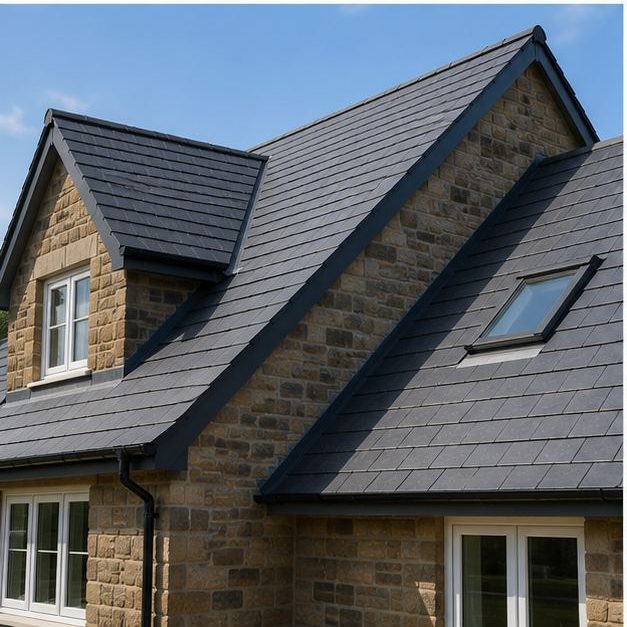
A traditional slate roof with a cold, unconverted loft relies on a reasonable amount of natural air movement to stop moisture building up on the underside of the slates and timber. Once a loft is insulated and converted, whether into a bedroom, home office or bathroom, warm, moist air from inside the house rises into the roof space and needs a clear route out again, or it condenses on cold surfaces and can lead to rot in timbers and staining or delamination of slates from beneath, often long before any problem is visible from outside the property.
Getting the balance right involves several elements working together, including breathable roofing membranes that let vapour escape while still keeping weather out, and ventilation at the eaves and ridge that allows air to flow continuously through the roof void from the lowest point to the highest. On a period property in Cotham, this needs to be designed sensitively, so the ventilation does its job without spoiling the traditional appearance of the roofline that gives these streets so much of their character and charm.
This is exactly the sort of detail that's easy to get wrong on a re-roof carried out without proper planning, and problems caused by poor ventilation can take months or years to show themselves, by which point remedial work is far more disruptive and costly than getting it right the first time around. Brunel Roofing Bristol builds ventilation into the specification of every re-roof, taking into account whether the loft is used as living space and how the property is likely to be used in future by its current or future owners.
Early warning signs of poor ventilation are worth knowing, since they often appear well before any visible roof leak. Persistent condensation on skylight glazing, a musty smell in a converted loft room, or dark speckled mould appearing on the underside of the roof structure near the ridge are all indications that moisture is struggling to escape. Catching these signs early, and addressing the ventilation rather than just the symptom, can prevent much more costly timber repairs further down the line.
If you're planning a re-roof, particularly on a property with a converted or soon-to-be-converted loft, Brunel Roofing Bristol can make sure the ventilation is designed properly from the outset rather than added as an afterthought.
Get a Free Quote for New Roof Installations in Cotham
Every roof is different — the fastest way to get an accurate answer is a quick chat with our team.