
Mortar pointing on a chimney stack rarely gets a second thought until it's visibly failing, yet it's arguably the single most important factor in how well a stack ages over time. On the Victorian terraces common across Easton, original pointing has often been in place for well over a century, and while lime mortar is a remarkably durable material, it doesn't last forever without occasional attention and maintenance along the way. It's easy to underestimate just how much quiet, ongoing work sound pointing does, precisely because a well-maintained stack rarely draws any attention to itself at all.
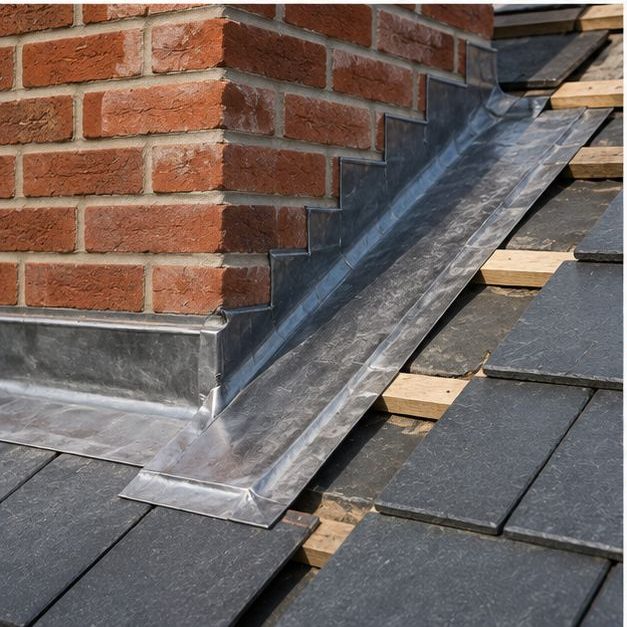
The role pointing plays is simple but essential: sealing the joints between bricks so that rainwater runs off the surface rather than soaking into the brick itself. Once mortar erodes, even in what looks like a fairly minor way from ground level, water gets into the brick, and in cold weather that trapped moisture freezes and expands, gradually cracking and weakening the brick face from within over successive winters. This process can take considerably longer to become visible on a well-built Victorian stack than on more modern brickwork, which is partly why so many original stacks in Easton have lasted as long as they have despite some visible wear.
This is why repointing at the right time matters more than it might initially seem. Catching failing mortar early, while it's just starting to recede or crumble, is a relatively straightforward and affordable repair. Left long enough, the same problem leads to spalling brick, which is a more involved and costly repair involving individual brick replacement or, in more serious cases, a partial rebuild of the affected section.
Getting the mortar mix right matters just as much as timing. Many older properties in Easton were built with lime mortar, a softer and more breathable material than the cement mixes commonly used today. Repointing with cement on this kind of original brickwork can actually accelerate damage, since it traps moisture that would otherwise evaporate out through the mortar, forcing it out through the brick face instead over time. This is one of the clearest examples in roofing of a seemingly minor detail having a genuinely outsized effect on a property's long-term condition.
Beyond weatherproofing, sound pointing also contributes to the overall stability of a stack. Mortar isn't purely a sealant, it's part of what holds the brickwork together structurally, so widespread mortar failure over time can eventually affect how secure a chimney stack actually is, not just how watertight it remains against the weather. Repointing carried out to the wrong specification can sometimes look acceptable for a year or two before problems resurface, which is why getting the mortar mix right the first time matters more than it might seem.
If mortar joints on your Easton property's chimney are looking recessed, crumbly, or clearly overdue for attention, Brunel Roofing Bristol can assess the right approach and mortar mix for your property's age, with a free quote for the work.
Get a Free Quote for Chimney Repairs in Easton
Every chimney is different — the fastest way to get an accurate answer is a quick chat with our team.