
Mortar joints on a chimney do more work than they get credit for, holding the brickwork together while shedding rainwater away from the stack rather than letting it soak in. On properties throughout Patchway, repointing is one of the more regularly needed chimney repairs, simply because mortar is more exposed to weather at the top of a house than almost anywhere else on the building's exterior. It takes the full force of sun, wind, and rain that walls at ground level are largely shielded from by nearby structures and simple distance from the worst of the weather.
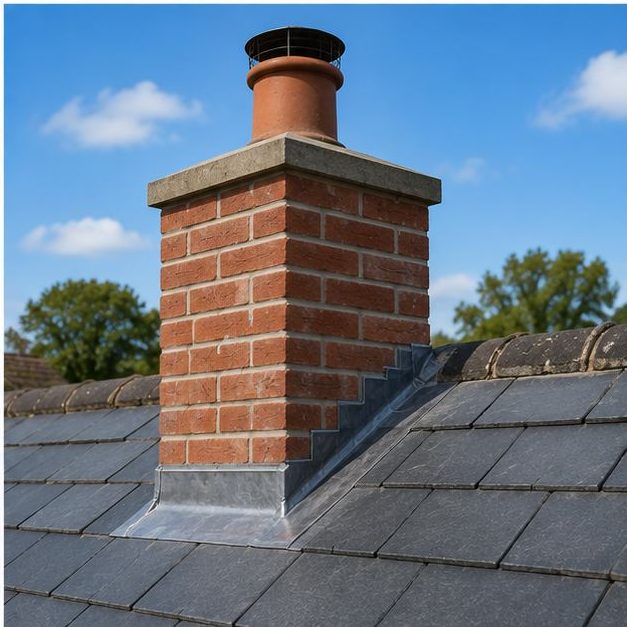
The tell-tale signs that repointing is due are usually visible from ground level if you know what to look for: joints that have visibly receded between the bricks, small chunks of mortar found in gutters or on roof slopes after windy weather, or a general crumbly, powdery texture to the pointing where it should be firm and intact. None of these are urgent emergencies on their own, but they tend to get worse steadily rather than stay the same, particularly through a wet winter when frost gets into the gaps. Catching them at this stage generally keeps the repair to straightforward repointing, rather than letting it develop into brick replacement further down the line.
Choosing the right mortar mix matters more than many homeowners realise. Newer brick chimneys, common across much of Patchway's post-war and more recent housing, are generally suited to a standard cement-based mortar. Older properties with softer, more traditional brick are usually better served by a lime-based mortar, which allows moisture to evaporate out of the brick gradually rather than trapping it, since a hard cement repair on old brick can sometimes accelerate damage rather than fix it in the long run. A roofer familiar with both approaches should be able to identify which category a particular Patchway property falls into simply by examining the brick itself.
The repointing process itself involves raking out the failed mortar to a sufficient depth, cleaning out the joint properly, and packing in a fresh, correctly matched mix. Rushed repointing, where old mortar is not raked out deeply enough or new mortar is simply smeared over the surface, tends to fail again within a few years, so the preparation matters as much as the final finish that is left visible. A properly prepared joint, packed firmly rather than simply smoothed over, is what actually gives repointing its long working life.
Because chimney repointing usually needs proper scaffold access rather than ladder work, particularly on taller two-storey properties, it makes sense to have the flaunching, pots, and lead flashing checked at the same time, since these often show similar signs of wear and are considerably more cost-effective to deal with in one visit than across several separate call-outs spread over time.
If mortar on your chimney in Patchway is starting to look worn or is shedding debris, it is worth getting it checked before the problem develops further. Brunel Roofing Bristol provides free inspections and quotes, so you know exactly what is needed before any work goes ahead at all, with every completed repointing job backed by a 15-year guarantee.
Get a Free Quote for Chimney Repairs in Patchway
Every chimney is different — the fastest way to get an accurate answer is a quick chat with our team.