
In most cases, yes, a leaking roof can be repaired without a full replacement, and outright replacement is usually only necessary when the underlying structure or covering has failed more broadly rather than in one isolated spot.
When a Targeted Repair Is Enough
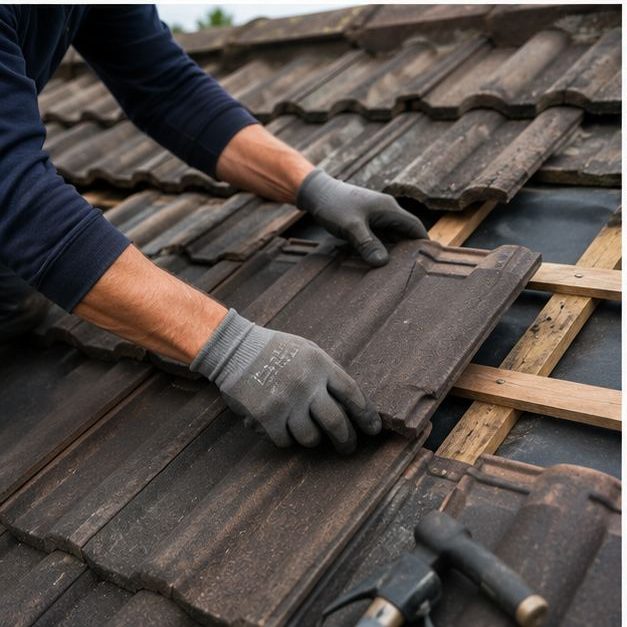
If the leak is caused by a handful of slipped or cracked tiles, failed flashing around a chimney or roof window, or a small area of damaged flat roof felt, a repair to that specific area is usually all that's required. Provided the rest of the roof covering, timber and underlay are in reasonable condition, there's no need to disturb or replace anything beyond the affected section.
Repairs like this are quicker, considerably cheaper than a full replacement, and cause far less disruption to the household, which is why they remain the right first option for the vast majority of leaks.
When Replacement Becomes the Sensible Option
Replacement tends to make more sense when a roof is old enough that tiles or slates have become brittle across large areas, when the underlay beneath has broken down, when timber has rotted extensively from a long-standing undetected leak, or when repeated repairs to the same roof are becoming frequent and costly. At that point, patching one area often just shifts the problem elsewhere.
A useful rule of thumb: if a roof is failing in several unrelated places at once rather than one clear spot, that's usually a sign of general wear rather than a single fixable fault.
How to Know Which Applies to Your Roof
The only way to be certain is a proper inspection, since the visible leak inside rarely tells the full story of what's happening above it. Brunel Roofing Bristol assesses the roof honestly and recommends a repair wherever one will genuinely do the job, rather than pushing for a replacement that isn't needed.
Get a Free Quote for Roof Repairs
Every roof is different — the fastest way to get an accurate answer is a quick chat with our team.