
Valley leaks rarely appear out of nowhere. In most cases they are the result of a specific, identifiable fault that has been developing gradually, sometimes for years, before water finally finds its way through and shows up as a stain on a ceiling or in a loft space. Understanding the common causes helps explain why valleys deserve particular attention on the varied rooflines found across Hotwells.
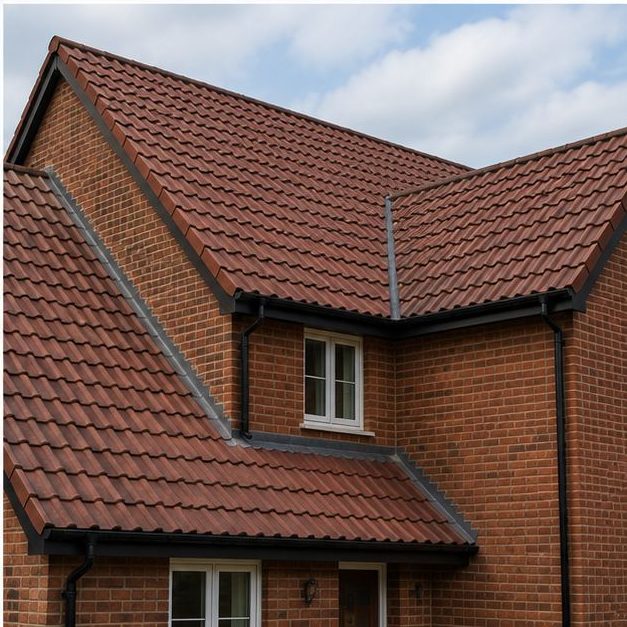
One frequent cause is simple age and material fatigue. Lead valley linings expand and contract with every change in temperature, and over many years this repeated movement can crack the lead or work it loose from its fixings. Another common issue is debris: leaves, moss and general grime can collect in a valley, especially where a roof sits close to mature planting or other properties, gradually restricting the flow of water until it backs up and finds a weak point to escape through. Poor original workmanship is another significant factor. A valley that was cut too narrow for the volume of water it needs to carry, or where the tiles either side were trimmed with insufficient overlap, is prone to leaking in heavy rain even if every other part of the roof is sound. Given how many properties in Hotwells have been altered, extended or re-roofed in stages over the years, it is not unusual to find valleys that were never quite specified correctly for the roof they sit on. Physical damage can also play a part. Foot traffic during maintenance or chimney work, falling branches, or general weathering on an exposed hillside site can crack tiles or dent lead near a valley, creating a route for water to enter that would not otherwise exist. Because valleys are less visible than open expanses of roof, this kind of damage can go unnoticed for a considerable time.
It is also worth remembering that a valley leak does not always show up directly beneath the valley itself. Water can travel some distance along a rafter or across a layer of old felt before it drips or stains a ceiling, meaning the visible sign of the problem inside a Hotwells property may be some way from the actual point of failure on the roof outside. This is one of the reasons a leak that seems to come and go with certain wind directions or particularly heavy downpours is often traced back to a valley rather than a more obvious area of roof covering.
Establishing the actual cause matters because the correct fix varies considerably depending on what is found. A cracked section of lead may only need a localised repair, while a valley that was never wide enough for the volume of water it carries will keep causing problems until it is rebuilt to the right specification. A proper inspection, rather than guesswork, is the only reliable way to know which situation applies to your roof.
If you have noticed a leak that seems to trace back to a valley on your Hotwells roof, Brunel Roofing Bristol can identify the underlying cause and advise whether a targeted repair will resolve it or whether the valley would benefit from being rebuilt properly.
Get a Free Quote for New Roof Installations in Hotwells
Every roof is different — the fastest way to get an accurate answer is a quick chat with our team.