
A roof valley does more than simply mark the point where two roof slopes meet; it acts as a dedicated drainage channel, and how well that channel is designed has a direct bearing on how the roof copes with heavy rain. On the hilly terrain around Hotwells, where roofs are often more complex than a simple single or double pitch, the design of the valleys can make a real difference to how reliably water is carried away.
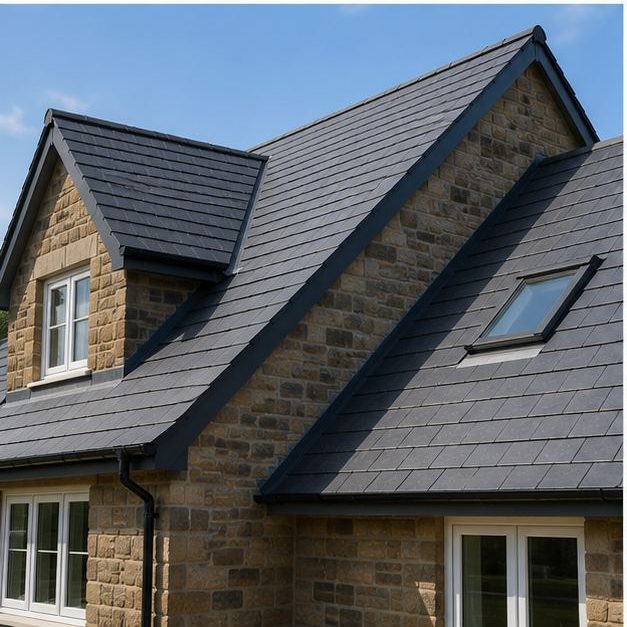
Several factors influence drainage performance. The width of the valley needs to match the volume of water it is likely to receive, which depends on the area of the two roof slopes feeding into it. The fall, or angle at which the valley descends, also matters: too shallow a fall and water moves sluggishly, increasing the risk of it backing up in heavy rain or during a sudden downpour rolling in off the harbour. Too steep, and water may move so quickly that it overshoots the gutter at the base of the valley altogether. The point where a valley discharges into the guttering is another detail that is easy to overlook but important to get right. If the gutter or downpipe at that point is undersized, or if several valleys converge into a single outlet, the combined volume of water can exceed what the drainage system was designed to handle, leading to overflow even when the valley itself is performing correctly. This is a particular consideration on Hotwells properties with multiple roof intersections feeding into a single low point. Local topography adds a further layer to this picture. Rain falling on the higher ground above Hotwells can reach roofs lower down the hillside with more force and volume than a similar downpour would produce on flatter parts of the city, and wind driven up from the harbour can also affect how rain lands on a roof. A valley designed without this in mind, perhaps copied from a standard specification rather than assessed for the actual site, may simply not have the capacity the property really needs.
Because so much of this depends on the specific roof rather than general rules of thumb, drainage performance is best assessed on site, with the pitches, catchment areas and outlet points of a particular property measured and considered together, rather than by applying a single standard valley width across every job.
Because these factors interact with each other, valley design is not something that can be standardised across every roof. A valley that works well on one property may be inadequate on a neighbouring one with a steeper pitch or a larger catchment area, even if the two roofs look superficially similar from the street.
When planning a re-roof, it is worth having the valley design properly assessed rather than simply matching what was there before, particularly if drainage has been a problem in the past. Brunel Roofing Bristol can review how water moves across your roof and specify valleys sized and pitched correctly for your property in Hotwells.
Get a Free Quote for New Roof Installations in Hotwells
Every roof is different — the fastest way to get an accurate answer is a quick chat with our team.