
Roof spread is a gradual structural movement where the outward thrust of a pitched roof pushes the supporting walls apart over time, very slowly and often without the homeowner noticing anything at all until the effects become plainly visible. It is more likely to develop on older roof structures where ties, straps or bracing were minimal to begin with, or have deteriorated with age and neglect, and it is a term that comes up more often than most homeowners might expect when discussing re-roofing in Ridgeway's older housing stock with a surveyor or roofer.
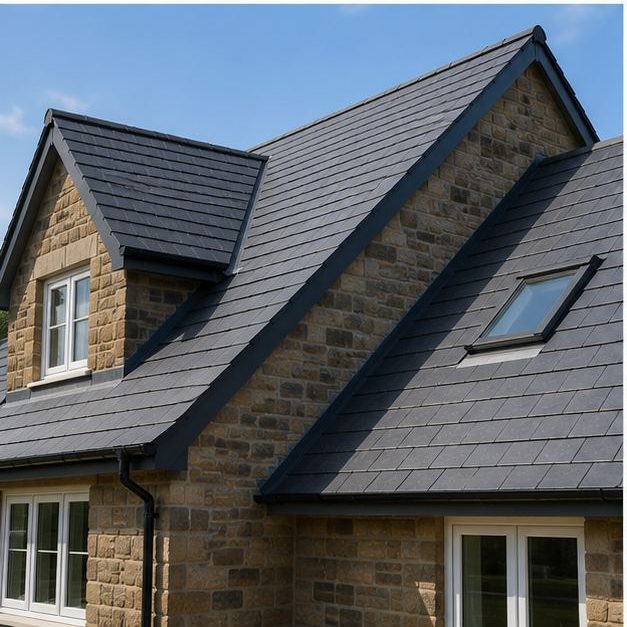
On a well-built modern roof, horizontal restraint straps and properly connected ceiling ties keep the rafters from pushing the walls outward under the weight they are carrying day in, day out. On some of Ridgeway's mid-century semis and terraces, however, these details were either fitted more sparingly than current standards would require, given the building practices of the time, or have loosened and deteriorated over decades of thermal movement, minor settlement of the building itself and the general ageing of fixings that were never designed to last forever without maintenance or attention.
The visible signs of roof spread can include a ridge line that has started to dip or bow gently along its length, external walls that lean very slightly outward at the eaves when viewed carefully from certain angles, or cracking that appears near the top of a wall where it meets the roofline above. None of these signs are always caused by spread specifically, since ordinary settlement and other unrelated issues can produce fairly similar effects, which is why a proper inspection is needed rather than relying on guesswork based on appearance alone from the pavement outside. A trained eye can usually narrow down the likely cause fairly quickly once the roof structure itself has been opened up and examined.
If roof spread is identified during a re-roof, the fix usually involves reinstating or upgrading the ties and straps that hold the structure together properly, sometimes alongside further timber repairs where rafters or wall plates have also been affected by the same underlying movement over the years. Addressing this properly at the point of re-roofing, while the structure is already exposed and fully accessible, is far more sensible and cost-effective than covering a moving structure with new tiles and simply hoping the problem does not progress any further. Left unchecked over further years, spread can gradually worsen, so catching it during a planned re-roof rather than waiting for it to become obvious is generally the better outcome for the homeowner.
Brunel Roofing Bristol looks closely at these structural indicators whenever we survey a roof in Ridgeway, because a new covering is only ever as good as the frame supporting it underneath, however attractive it looks from the street. If you have noticed any of these signs on your own home, get in touch and we will happily take a look and advise on the best way forward, without any pressure to commit to anything.
Get a Free Quote for New Roof Installations in Ridgeway
Every roof is different — the fastest way to get an accurate answer is a quick chat with our team.