
Every roof in the UK is exposed to the same broad pattern of weather, but the way a roof actually experiences that weather depends heavily on its orientation, pitch and setting. In Bedminster, many streets run at slightly different angles to one another, and houses positioned to catch the prevailing south-westerly wind and driving rain tend to show wear on their roof coverings sooner than those in more sheltered positions a few streets away, even when the two roofs were originally fitted at the same time with the same materials.
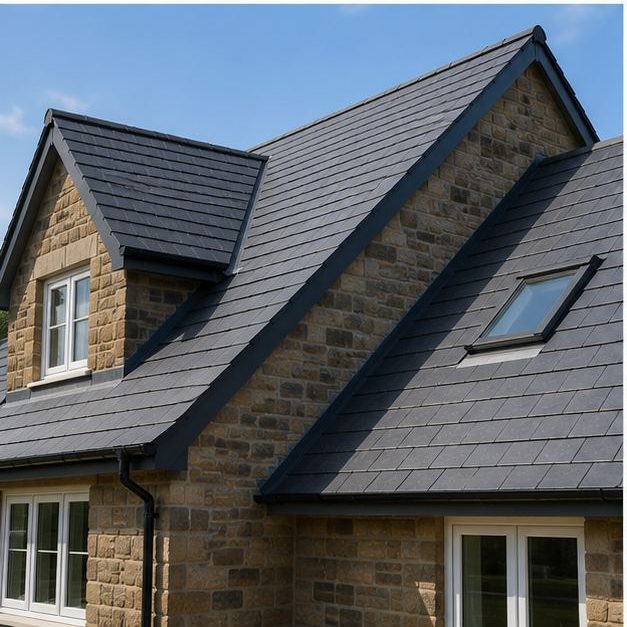
Gable ends and roofs with little surrounding shelter, whether from trees, taller buildings or the slope of the land, take the brunt of wind-driven rain over time. This can gradually work moisture into laps between tiles or slates that would otherwise stay dry, and it puts extra strain on flashing details around chimneys and party wall abutments, which are common features on the area's older housing stock and are often where the first signs of a failing roof actually appear.
Weather exposure does not just affect the tiles or slates themselves. Underlay and battens sitting beneath the roof covering are also gradually affected by temperature changes and any moisture that does get through, and on an older roof these layers are often reaching the end of their useful life well before anyone notices a problem from inside the house. This is one reason a roof can appear fine from the pavement while actually being close to needing full replacement, since the outward covering can outlast the timber and felt supporting it.
Homeowners often assume that because a roof has lasted several decades, it will simply carry on indefinitely with the odd repair. In reality, sustained exposure gradually reduces the performance of every layer of the roof, and a point is reached where patching individual issues, such as a slipped slate here or a repointed flashing there, no longer represents good value compared with a full new installation that resets the clock on every component at once.
Rear additions and lower-pitched extensions, which are common behind Bedminster's original terraces, often suffer differently to the main roof, since a shallower pitch gives rain less help shedding quickly and can allow water to sit for longer after heavy weather. Valley details where an extension roof meets the original roofline are another point worth checking regularly, since these low, concentrated channels carry a large volume of water off a comparatively small area and tend to show wear well before the surrounding tiles or slates do.
If your roof in Bedminster has been showing repeated small problems, particularly on the side that faces the prevailing weather, it may be worth having it looked at properly rather than continuing with one-off repairs indefinitely. Brunel Roofing Bristol can assess how exposure has affected your specific roof and advise honestly on whether repair or replacement makes more sense for your situation.
Get a Free Quote for New Roof Installations in Bedminster
Every roof is different — the fastest way to get an accurate answer is a quick chat with our team.