
Blisters, cracks and splits are among the most common defects seen on flat roofs, and while they can look alarming, understanding what causes them helps explain why they happen and how to prevent them recurring.
Why Blisters Form
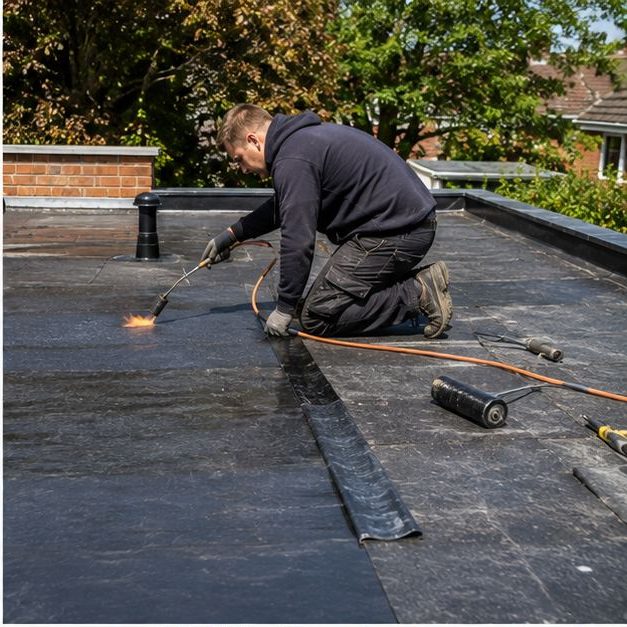
Blisters typically form when moisture or air becomes trapped between layers of roofing felt during installation, then expands as the roof heats up in sunshine, pushing the surface up into a bubble. Over time these blisters weaken and eventually split open, exposing the layers beneath to the weather and creating a direct route for water to get in.
Blisters are more likely on roofs installed in warm conditions or where the felt wasn't properly bonded to the layer beneath, since trapped air has an easier path to form.
Why Cracks and Splits Develop
Cracking is largely a symptom of ageing and UV exposure, which gradually dries out the oils in traditional felt and makes it increasingly brittle until it can no longer flex with normal temperature changes, so it splits. Thermal movement plays a big part too, flat roofs expand and contract with heat and cold every day, and a roof nearing the end of its life loses the flexibility to cope with that constant movement without cracking.
Reducing the Risk Going Forward
Good installation practice, using quality materials, and choosing a covering suited to the specific roof all reduce how quickly blisters and cracks appear, which is one reason GRP fibreglass and single-ply membranes have become popular alternatives to traditional felt. Regular visual checks, ideally a couple of times a year, make it far easier to catch a small blister or hairline crack before it develops into a split that lets water through. If you're already seeing blistering or cracking, it's best not to leave it, since small splits let water in that can quickly cause bigger problems. Brunel Roofing Bristol can inspect the affected areas and advise whether a repair will resolve it or whether it's a sign of wider wear across the roof.
Get a Free Quote for Flat Roof Repairs & Replacement
Every roof is different — the fastest way to get an accurate answer is a quick chat with our team.