
A roof valley, the internal angle formed where two roof slopes meet, carries a disproportionate amount of water compared to the rest of the roof, simply because rainfall from both adjoining slopes funnels into that one channel during every downpour. On many Eastville properties, particularly those with side extensions, dormer windows or bay-fronted roof lines that create additional junctions, valleys are a common weak point, and understanding why they leak helps explain why they often need attention sooner than the flat expanses of tiling either side of them.
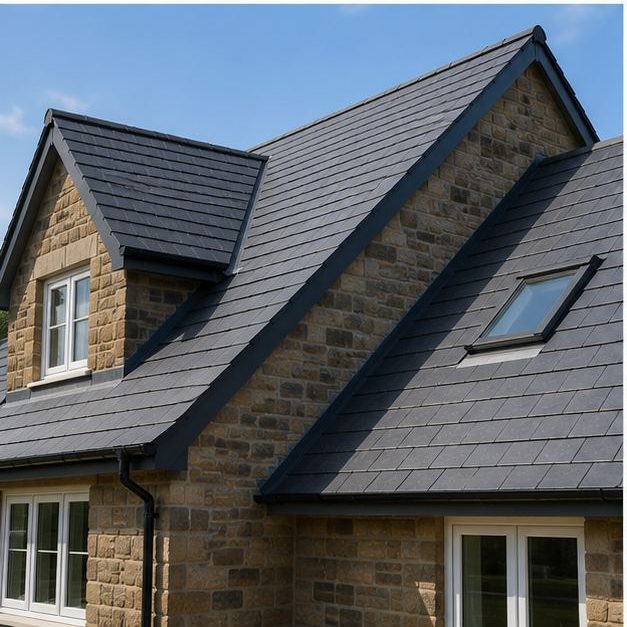
One of the most frequent causes is straightforward debris build-up. Leaves from nearby trees, moss growth and general wind-blown grit can collect in a valley over time, and this gradually restricts the flow of water, causing it to back up under the surrounding tiles or slates rather than running away cleanly to the gutter below. Over time this trapped moisture can also accelerate the deterioration of the valley lining itself, whether that lining is lead, GRP or another material, effectively causing the debris problem to create a second, more serious problem underneath it.
The valley lining is the second major factor, and often the more serious one. Even where the surrounding tiles are in reasonable condition, the lining beneath them can crack, corrode or come away from its fixings at the edges, particularly on older installations where the material has simply reached the end of its working life after decades of exposure. Because the valley sits lower than the surrounding roof and takes the concentrated flow of water from two slopes at once, any weakness here tends to show up as an active leak considerably faster than a comparable defect elsewhere on the roof would.
Poor original installation can also play a part, and this is worth mentioning because it is not always about age. A valley that was not laid with sufficient fall, or where the tiles either side were not properly dressed into it during a previous roofing job, can be prone to water ingress from a relatively early stage, and this sometimes only becomes apparent years later once minor movement or general weathering compounds the original shortfall. Brunel Roofing Bristol pays close attention to valley detailing on Eastville roofs, since getting this right is one of the more technical aspects of a roofing job and a common source of repeat callbacks when it has been done poorly in the past. Getting the detail right the first time around, with the correct overlap and fixings, tends to save considerable expense over the following decade compared with a valley that was rushed or under-specified.
If you have noticed damp patches on a ceiling below a roof valley, or you can see debris sitting visibly in a valley from ground level, it is worth having it inspected before the next heavy downpour causes further internal damage. Brunel Roofing Bristol can assess the valley and the wider roof together and advise on the most appropriate fix, whether that is clearing and resealing or a more thorough replacement of the lining.
Get a Free Quote for New Roof Installations in Eastville
Every roof is different — the fastest way to get an accurate answer is a quick chat with our team.