
Properties bordering The Downs sit in one of the more exposed positions in the city, catching wind and driving rain across open parkland with little shelter from neighbouring buildings or mature trees. That exposure, which makes the area so pleasant to live near, also puts real strain on chimney stacks, which stand proud of the roofline and take the brunt of whatever the weather brings. Mortar joints erode faster, lead flashing works loose sooner, and brickwork weathers at a noticeably quicker rate than it would on a more sheltered street a mile or two into the city, particularly on the taller period stacks so common in this part of Bristol.
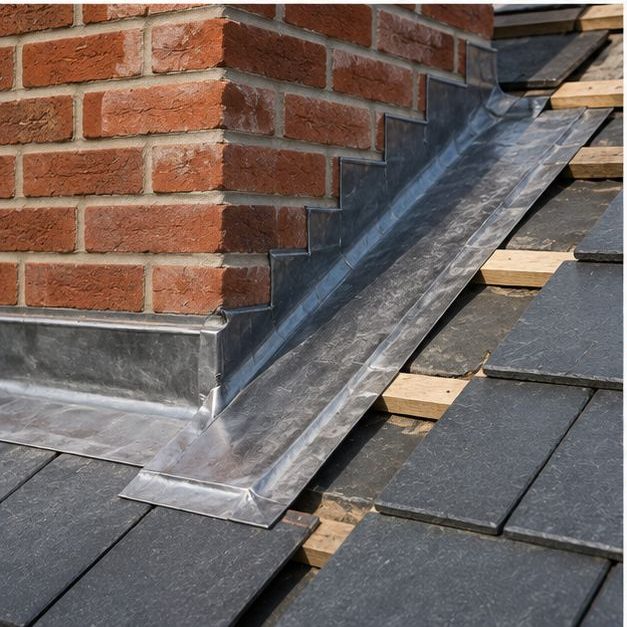
The most common issue we see on these exposed stacks is accelerated mortar erosion — pointing that might last many decades on a sheltered chimney can fail in considerably less time when it faces years of unbroken wind-driven rain. Once water starts penetrating the joints, it works its way into the brickwork itself, and in cold weather that trapped moisture freezes and expands, gradually pushing the bricks apart from the inside. Left unchecked, this cycle causes spalling, cracked faces and joints, and eventually structural movement that's far more expensive to correct than a straightforward repointing job undertaken a few years earlier, before the underlying brick itself has been compromised.
Wind exposure also puts pressure on lead flashing, soakers and the flaunching around the base of the pots, all of which rely on mechanical fixing and sealant that can be worked loose by decades of movement in high wind. A stack that leans even slightly, whether from ground movement or old timber decay within the roof structure, becomes considerably more vulnerable in an exposed position than the same defect would be on a stack shielded by neighbouring roofs. Regular inspection catches these issues while they're still a repointing or flashing job, rather than a full rebuild, and it's a habit worth building into general property maintenance rather than leaving to chance.
For homeowners near The Downs, we'd generally recommend having a chimney looked at every few years rather than waiting for a leak to appear, given how much faster wear can develop here compared with more sheltered parts of the city. Scaffolding access is often needed for a proper inspection on the taller period properties common around this part of Bristol, and that's worth building into any maintenance plan rather than treating it as an afterthought once something has already gone wrong. Autumn, before the worst of the winter weather sets in, tends to be a sensible time to have this checked.
It's also worth paying attention to any recent storms, since a stack that copes fine most of the year can be pushed past its limit during a single severe gale. A gap in the pointing that would sit stable for years in calmer conditions can be enough for wind-driven rain to force its way in during a bad storm, so a quick visual check after unusually rough weather is a sensible habit for anyone living close to The Downs, even between scheduled inspections.
If your chimney faces onto open ground and you're not sure how it's holding up, a free inspection is the simplest way to find out. Brunel Roofing Bristol carries out chimney assessments across The Downs and the surrounding streets, and can advise honestly on whether repointing, partial rebuilding or simply keeping an eye on things is the right call for your property. All work comes with a 15-year guarantee, and we offer 24-hour emergency call-out if storm damage leaves a stack in a dangerous state.
Get a Free Quote for Chimney Repairs in The Downs
Every chimney is different — the fastest way to get an accurate answer is a quick chat with our team.