
Rain finding its way into a chimney doesn't always mean the brickwork has failed outright. Sometimes it's simply that the stack's natural weather resistance has worn thin over the years, and that's where waterproofing treatments can play a useful, if often misunderstood, role for properties around Ashley Down.
A breathable, water-repellent treatment applied to sound brickwork can significantly reduce how much rain soaks into the surface, which in turn slows the freeze-thaw cycle that causes spalling and reduces the amount of moisture reaching mortar joints. The key word is breathable: the treatment needs to let existing moisture in the brick escape as vapour, while still repelling liquid water from outside. Get that wrong, and you create a bigger problem than the one you started with.
This is where a common mistake happens. Non-breathable sealants, or the wrong type of waterproofing product, can trap moisture inside brickwork that would otherwise dry out naturally. Trapped moisture then does its damage from within, particularly through winter freeze-thaw cycles, and the resulting spalling can be worse than if nothing had been applied at all. This matters especially on the older, more porous brick found in many of Ashley Down's period properties, where the wrong product applied with good intentions can accelerate exactly the deterioration it was meant to prevent.
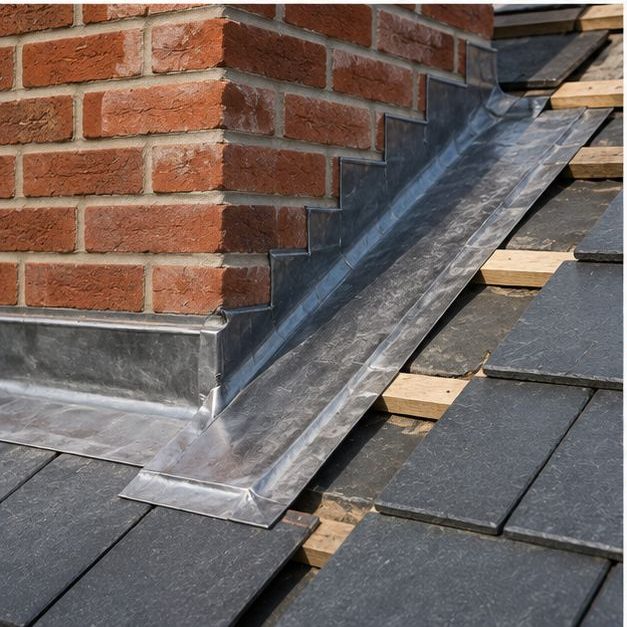
Waterproofing also isn't a substitute for addressing the underlying causes of water ingress. If flashing has failed, flaunching has cracked, or mortar has already receded badly, a waterproofing treatment applied over the top won't fix any of that, it will simply mask the surface while water continues to find its way in through the actual points of failure. It works best as a preventative measure on sound, well-maintained brickwork, not as a repair for existing damage.
How long a treatment lasts varies with the product used and how exposed the chimney is, but it's generally a periodic reapplication rather than a one-off, permanent fix. Treating it as part of routine chimney maintenance, rather than something applied once and forgotten, keeps the protection consistent over the years rather than assuming a single application will hold indefinitely. A simple way to check whether an existing treatment is still working is to watch how the brickwork behaves in light rain. Water should bead and run off a properly treated, sound surface rather than darkening and soaking straight in. If a previously treated chimney is visibly absorbing water again, that's usually a sign the treatment has worn off and needs reapplying, rather than a sign the brickwork itself has suddenly deteriorated.
If you're considering waterproofing a chimney, or you've had a product applied previously and aren't sure it was the right one for your property, it's worth getting a professional opinion before assuming the stack is protected. We assess chimneys across Ashley Down and can advise honestly on whether waterproofing is appropriate, or whether the priority should be repairs to the leadwork or brickwork first.
Get a Free Quote for Chimney Repairs in Ashley Down
Every chimney is different — the fastest way to get an accurate answer is a quick chat with our team.