
Not every roofing material handles wind and driving rain equally well, and choosing tiles for a windy plot in Nailsea is about more than simply matching the look of neighbouring houses along the same road. Concrete tiles are generally dense, heavy and resistant to breakage from wind-blown debris, which makes them a dependable and cost-effective choice on more open sites where durability matters more than a particular traditional appearance. Clay tiles offer a lighter, often more characterful appearance that suits older village-core properties well, though their profile and fixing specification need to be chosen carefully where exposure is higher than average.
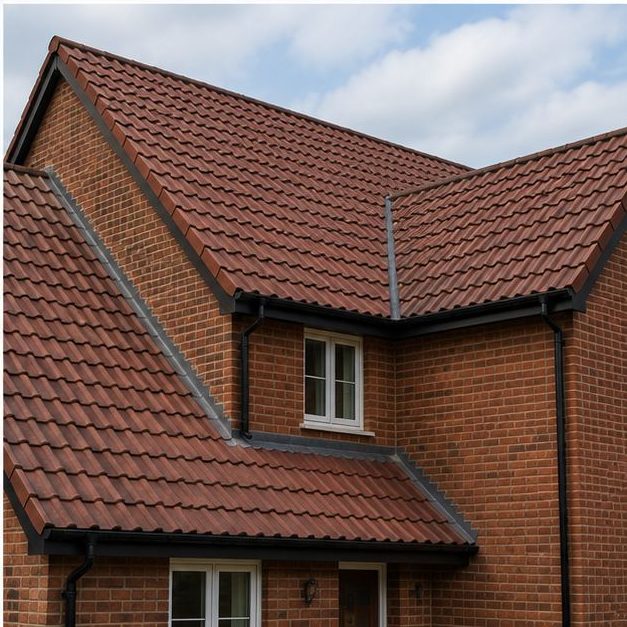
Natural and artificial slate both perform well against wind when correctly fixed, but they are somewhat less forgiving of poor installation than certain tile types, since a slipped slate on an exposed roof can come away entirely rather than simply crack in place and remain where it is. This makes the quality of fixing just as important as the material itself, and the two decisions really need to be made together rather than treated as separate choices made at different stages of a project.
Weight also matters in a way that is easy to overlook when comparing samples or photographs of finished roofs. A heavier tile can resist wind uplift more effectively purely through its own mass, but the roof structure underneath needs to be capable of carrying that additional load safely, particularly on older cottages in Nailsea that were not always built with modern tile weights in mind when they were first constructed. Checking the structure before finalising a tile choice avoids problems appearing months or years after the work is finished, once the extra load has had time to take its toll.
Colour and finish are worth a mention too, even though they are secondary to structural performance. Some finishes weather more gracefully than others when exposed to constant wind and rain, retaining their appearance for longer rather than showing streaking or fading within a few seasons. This is a smaller consideration than fixing method or tile weight, but on a roof that will be looked at every day for decades to come, it is not one to dismiss entirely when comparing otherwise similar products.
Because the estate housing built from the 1960s onward around Nailsea differs structurally from the town's older cottages in fairly significant ways, Brunel Roofing Bristol looks at the roof timbers and pitch of each property before recommending a specific tile, rather than suggesting the same product across every job regardless of what lies beneath the surface.
If you are trying to decide between materials for a windy plot, getting a professional opinion on your specific roof structure, rather than relying on general advice found online or a neighbour's recent experience, will give you a far more reliable answer, and a quote from Brunel Roofing Bristol is a good place to start that conversation, especially if your home has faced repeated tile damage in the past.
Get a Free Quote for New Roof Installations in Nailsea
Every roof is different — the fastest way to get an accurate answer is a quick chat with our team.