
There is no single best mortar for every chimney in Bishopsworth, and anyone offering a one-size-fits-all answer without seeing your property is skipping an important step. The right choice comes down largely to the age and type of brick the stack is built from, because mortar that suits one type of construction can actively cause problems on another, even though the two might look similar from the ground.
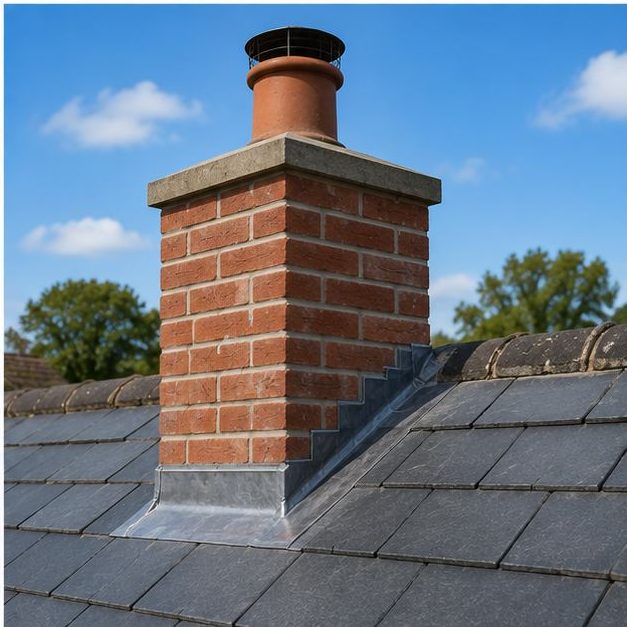
Lime mortar is the traditional choice for older brickwork, and for good reason. It is softer and more porous than cement, which allows moisture within the wall to evaporate out through the mortar joints rather than being forced through the brick faces themselves. This matters enormously on period properties, where the brick was originally laid with lime in mind and simply was not designed to cope with a harder, less permeable material sealing it in. Many of Bishopsworth's older terraces and Victorian-era homes fall into this category, and repointing them correctly means matching what was there originally rather than defaulting to whatever is quickest to source. This breathability is not a minor technical detail; it is often the single biggest factor in how long a repointing job on older brick actually lasts before it needs revisiting.
Cement mortar, by contrast, is harder, more rigid, and less permeable, which suits modern brick manufactured to a higher, more consistent standard and built with cavity construction that does not rely on the same breathability. Using cement mortar on newer housing is generally straightforward and durable. Problems arise specifically when it gets used on older, softer brick that needs to breathe, since trapped moisture then has nowhere to go except through the brick faces, accelerating spalling and cracking that repointing was meant to prevent in the first place.
Getting this wrong is a genuinely common mistake, often made by using whatever mortar is easiest or cheapest rather than what the property actually needs. A stack repointed with the wrong mortar can look fine for a year or two before problems start to show, by which point the brick itself, not just the mortar, may need repair. This is one of the reasons it is worth asking directly what mortar is being proposed and why, rather than assuming any repointing job is equivalent to any other. It is a mistake that can be hard to spot immediately, since the visual result of a fresh repoint looks identical regardless of which mortar was actually used underneath the surface finish.
Colour and texture matching also matter for a tidy finish, particularly on visible, street-facing stacks. A mortar mix that is close in shade and grain to the existing pointing keeps a repaired chimney looking consistent with the rest of the property, rather than leaving an obvious patch of brighter, newer-looking joints against older, weathered brickwork nearby. Aggregate size and the finishing profile of the joint, whether struck flush, slightly recessed, or bucket-handled, also contribute to how closely a repair blends with surrounding original pointing.
If you are planning repointing on a Bishopsworth chimney and want the right mortar specified for your property's age and construction, Brunel Roofing Bristol can assess this as part of a free inspection and quote, with all repointing work backed by a 15-year guarantee.
Get a Free Quote for Chimney Repairs in Bishopsworth
Every chimney is different — the fastest way to get an accurate answer is a quick chat with our team.