
An older roof does not need to be replaced simply because it has been through a few bad winters, but it does benefit from a bit more attention than a newer installation, particularly with autumn and winter storms in mind. For many of the period properties found across Eastville, the roof coverings themselves may be original or several decades old, and small issues that would not trouble a newer roof can matter more when the underlying materials are already a little tired. Age on its own is not a cause for alarm, but it is a reason to be a little more attentive than you might otherwise be.
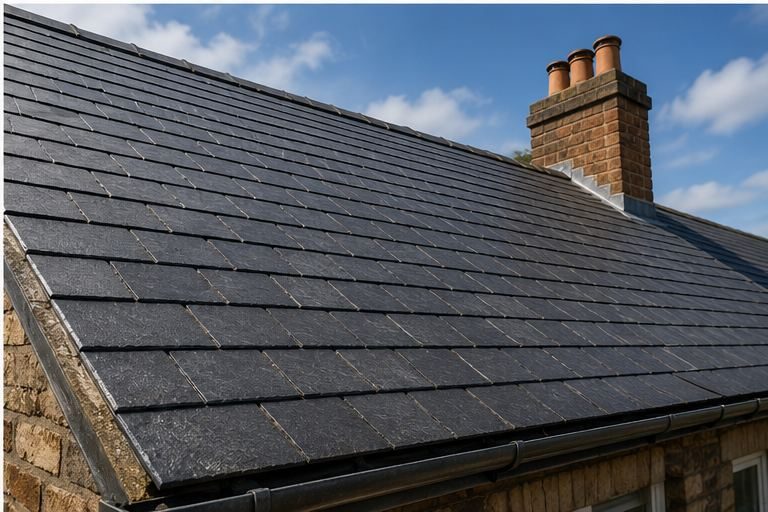
A sensible starting point is a general visual check, ideally by someone experienced enough to spot early warning signs rather than just obvious damage. This means looking at ridge and hip tiles for any that are loose or have cracked mortar, checking flashing around chimneys for signs of lifting, and looking along the valleys and edges for any tiles that have slipped slightly out of alignment. None of this needs to be alarming; it is simply the kind of routine check that catches small problems while they are still small. A calm, methodical look around the roof once or twice a year is generally all that is needed to stay ahead of anything developing.
Guttering and downpipes are worth including in this too, even though they are not technically part of the roof covering itself. Blocked or damaged guttering can cause water to back up under the roof edge during heavy rain, effectively creating a leak risk that has nothing to do with the tiles or slates being in poor condition. Clearing debris before the wetter months arrive is a straightforward task that reduces one avoidable cause of water ingress.
For roofs that are genuinely reaching the end of their working life, a periodic professional inspection is more useful than trying to judge condition from the ground. An experienced roofer can identify things like tiles that have become porous with age, fixings that have corroded, or underlay that has started to perish, none of which are necessarily visible as obvious damage but which all affect how well a roof will cope when the next storm arrives.
Where problems are found, addressing them ahead of winter, rather than waiting until a storm forces the issue, is usually the more straightforward and less stressful option. A planned repair on a dry day is a very different job to an emergency call-out during driving rain, and dealing with smaller issues proactively tends to extend the useful life of an older roof considerably.
If you would like a professional opinion on how your Eastville roof is likely to hold up over the coming months, Brunel Roofing Bristol offers free, no-obligation inspections and can advise honestly on whether any preventative work is worth carrying out now.
Need Emergency Roof Repairs in Eastville?
Every case is different — the fastest way to get an accurate answer is a quick chat with our team.